AAS College Thessaloniki
School of Art & Design
School of Art & Design
A unique approach to studying management,, marketing, public relations and digital media .
The Communication Management and Public Relations degree provides an understanding of the Communication industries in general, and the Public Relations industry in particular. The course helps to develop knowledge and skills in areas such as interpersonal, group and organisational communication, as well as studying public relations in different situations, for example political and media contexts.
The Communication Management and Public Relations degree will give you the opportunity to study both Internal Communication which will focus on our relationships with others in for example personal and work contexts, and External Communication which will focus on the theory and practice of Public Relations, including media and political contexts. New and emergent digital technologies relevant to these fields are explored throughout the curriculum. A key aim of the course is to give you a deeper understanding of different theory & ideas and how these relate to the professional and working environment.
The opportunity to plan and undertake research in the field of Communication and Public Relations is key aspect of the degree particularly in the final year, thus giving you the opportunity to work independently and learn effective time management skills.
Duration:
36 months (3 years)
Educational form:
Taught
Education Variants:
Fulltime
Language:
English
February’s intake:
Classes Start Date:
9 February 2026
October’s intake:
Classes Start Date:
5 October 2026
British Degree:
Bachelor Degree
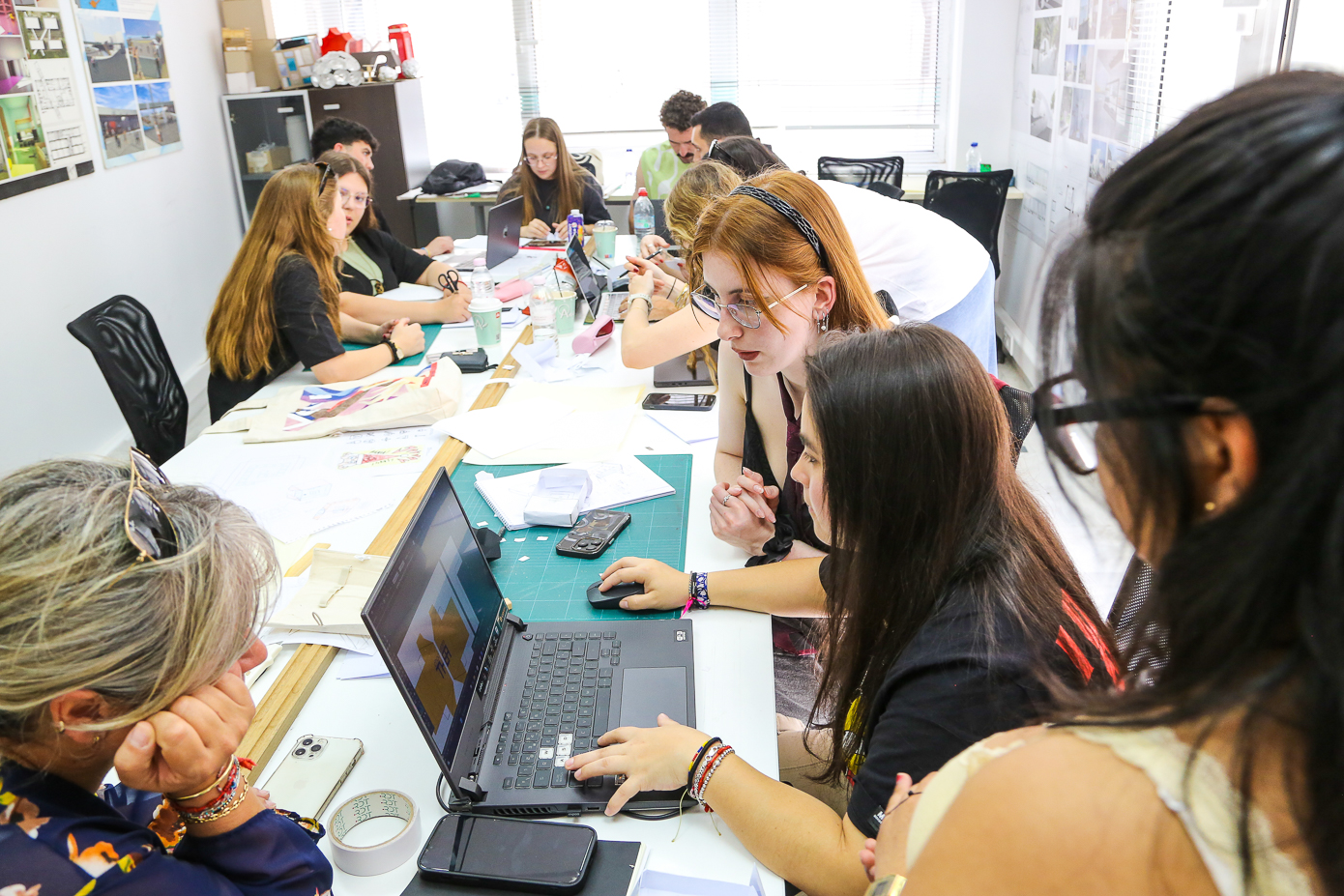

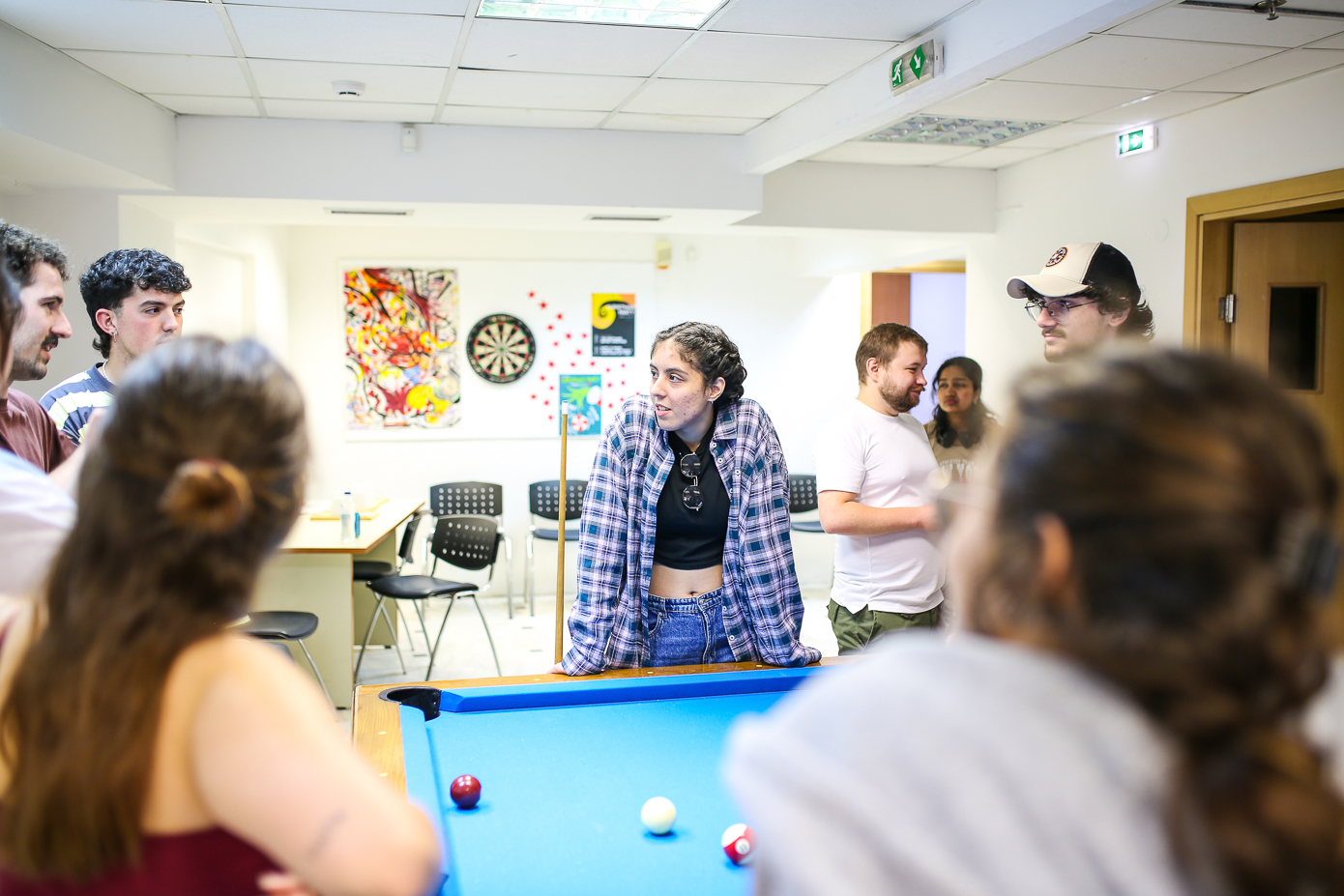


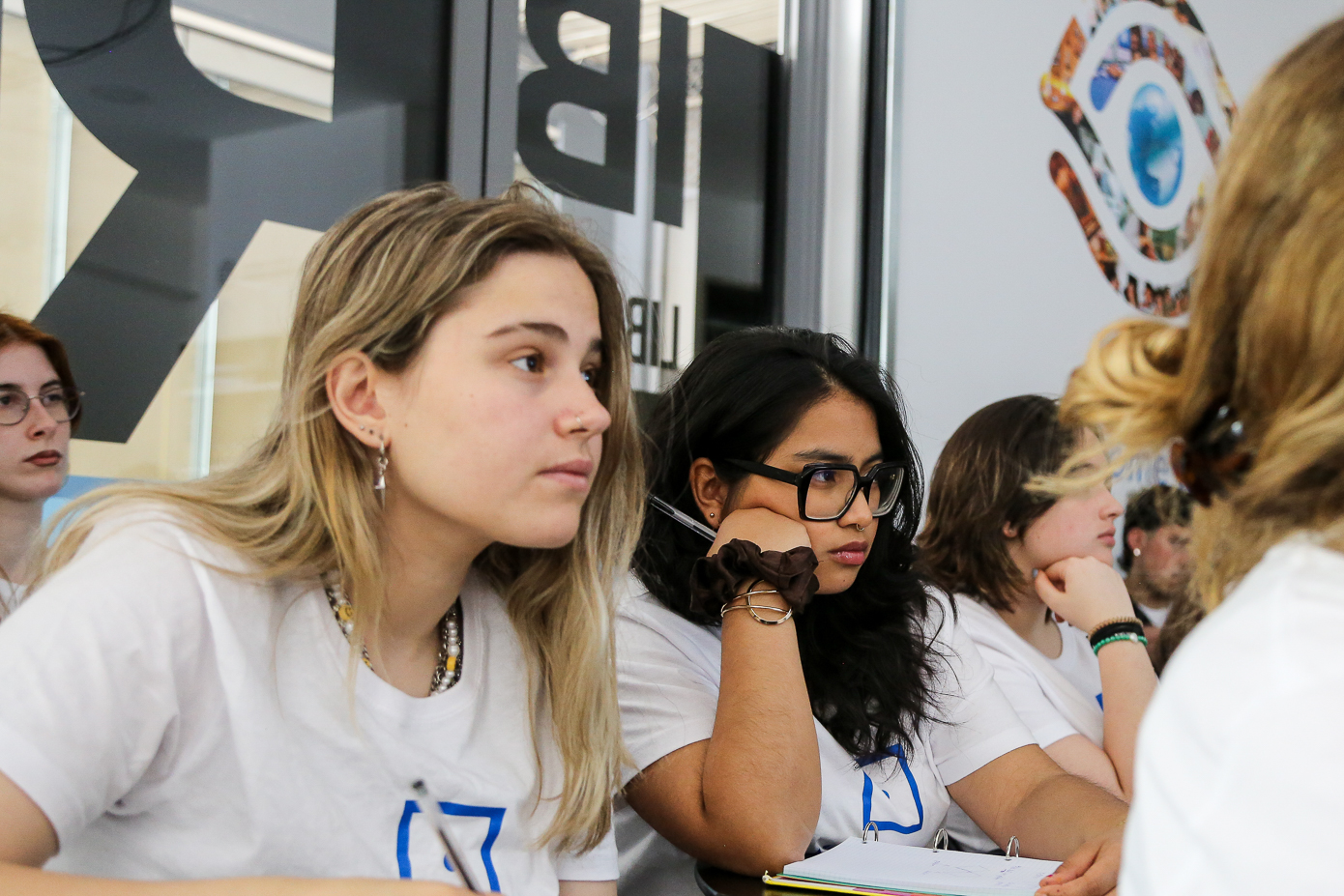



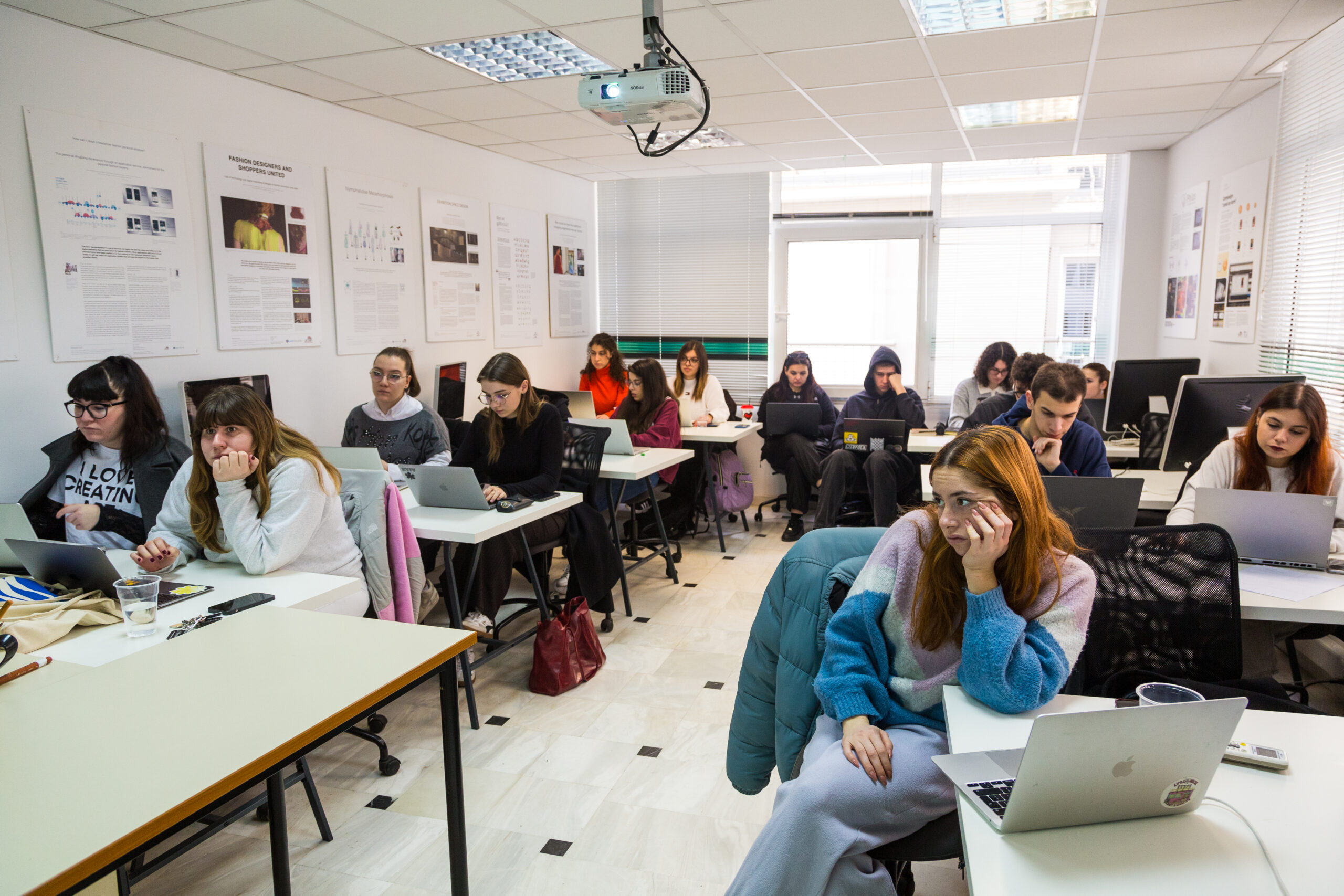



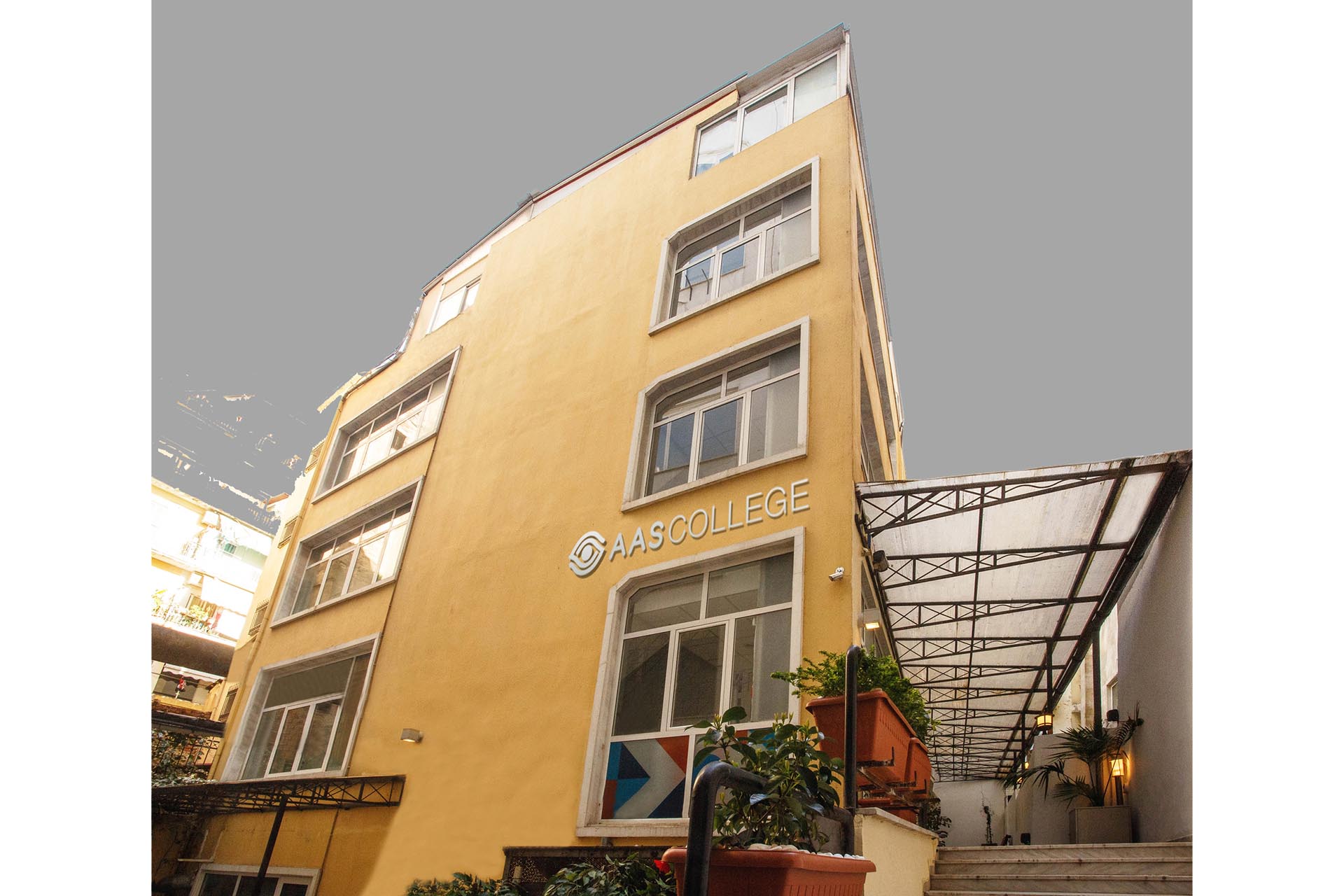
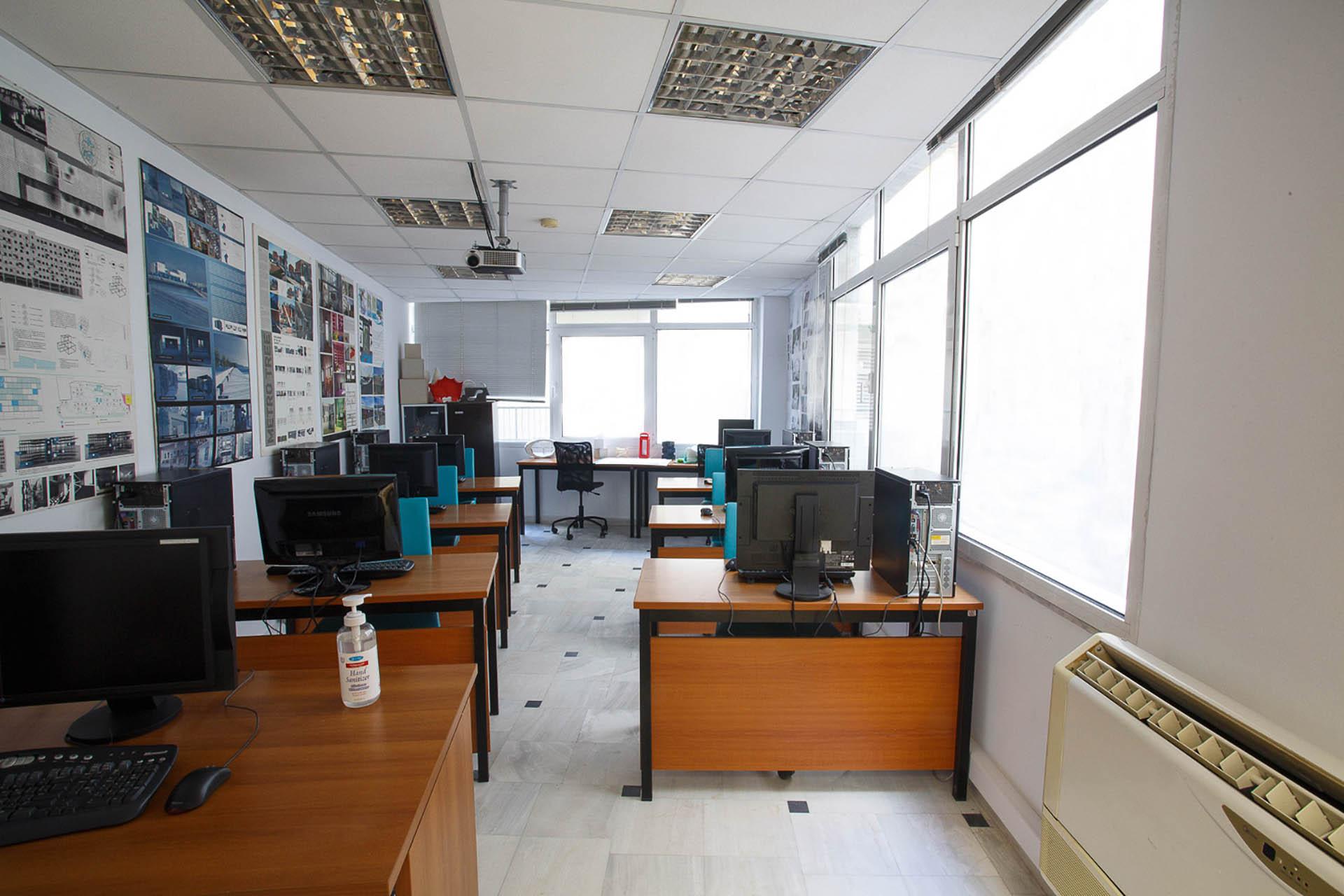
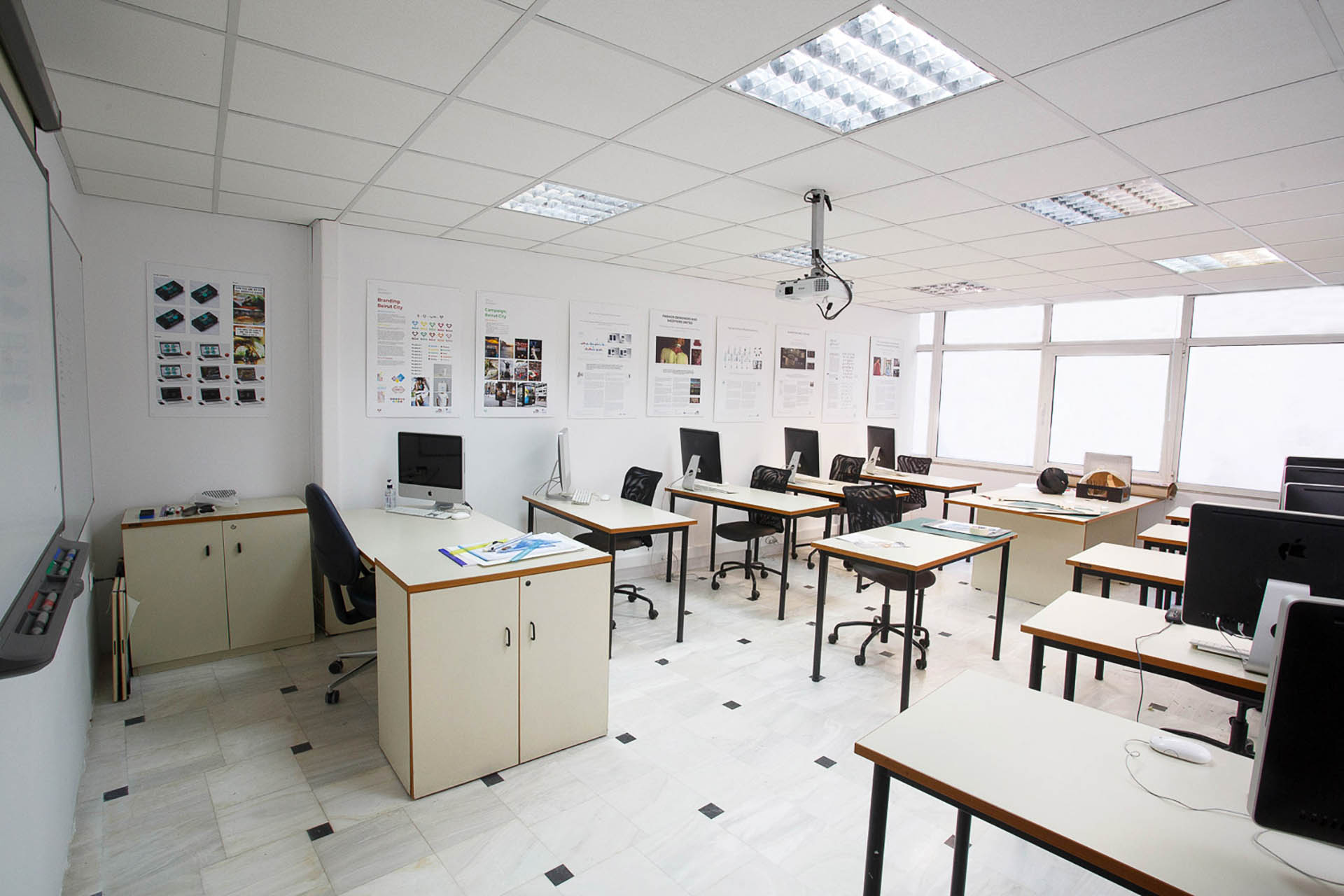
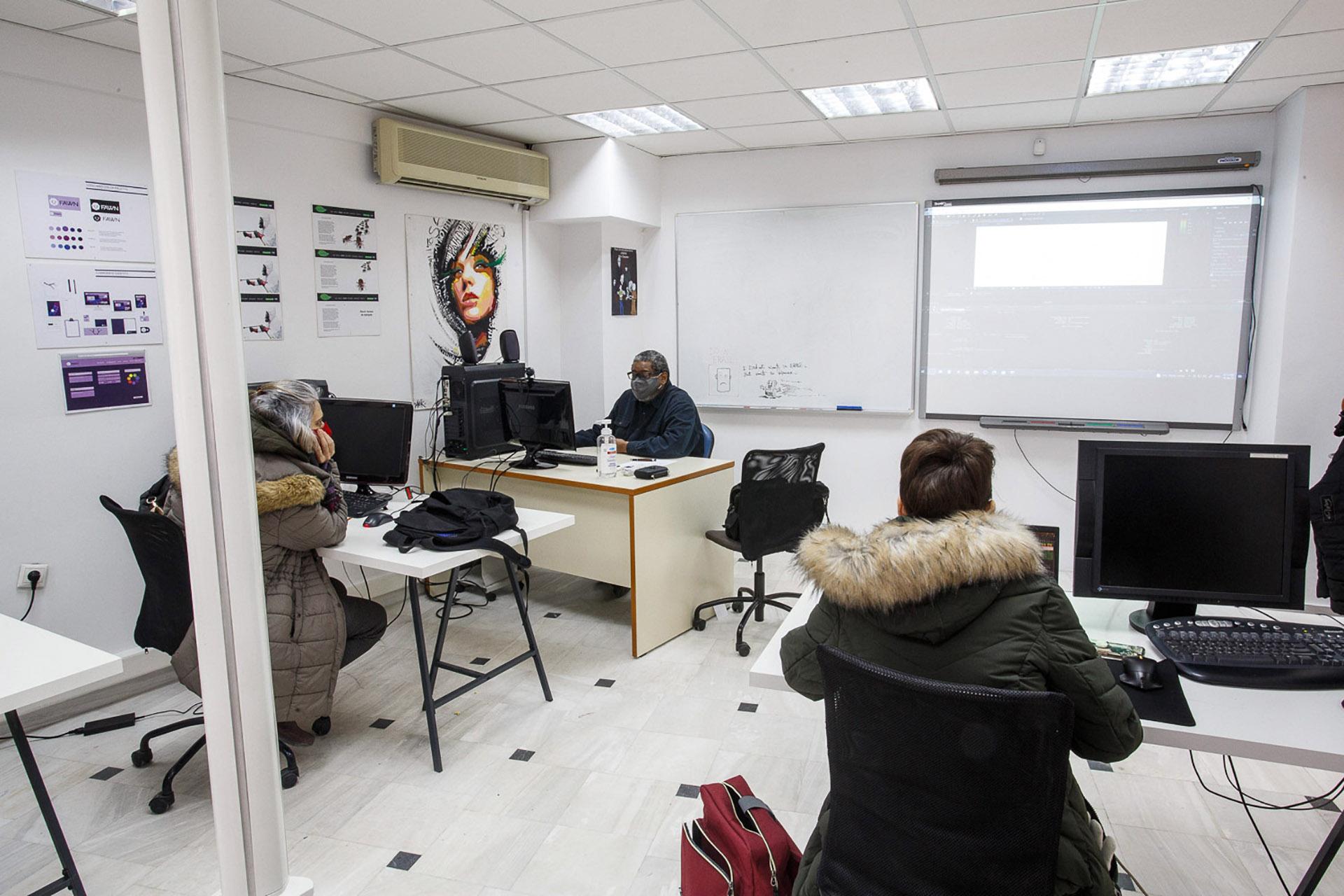
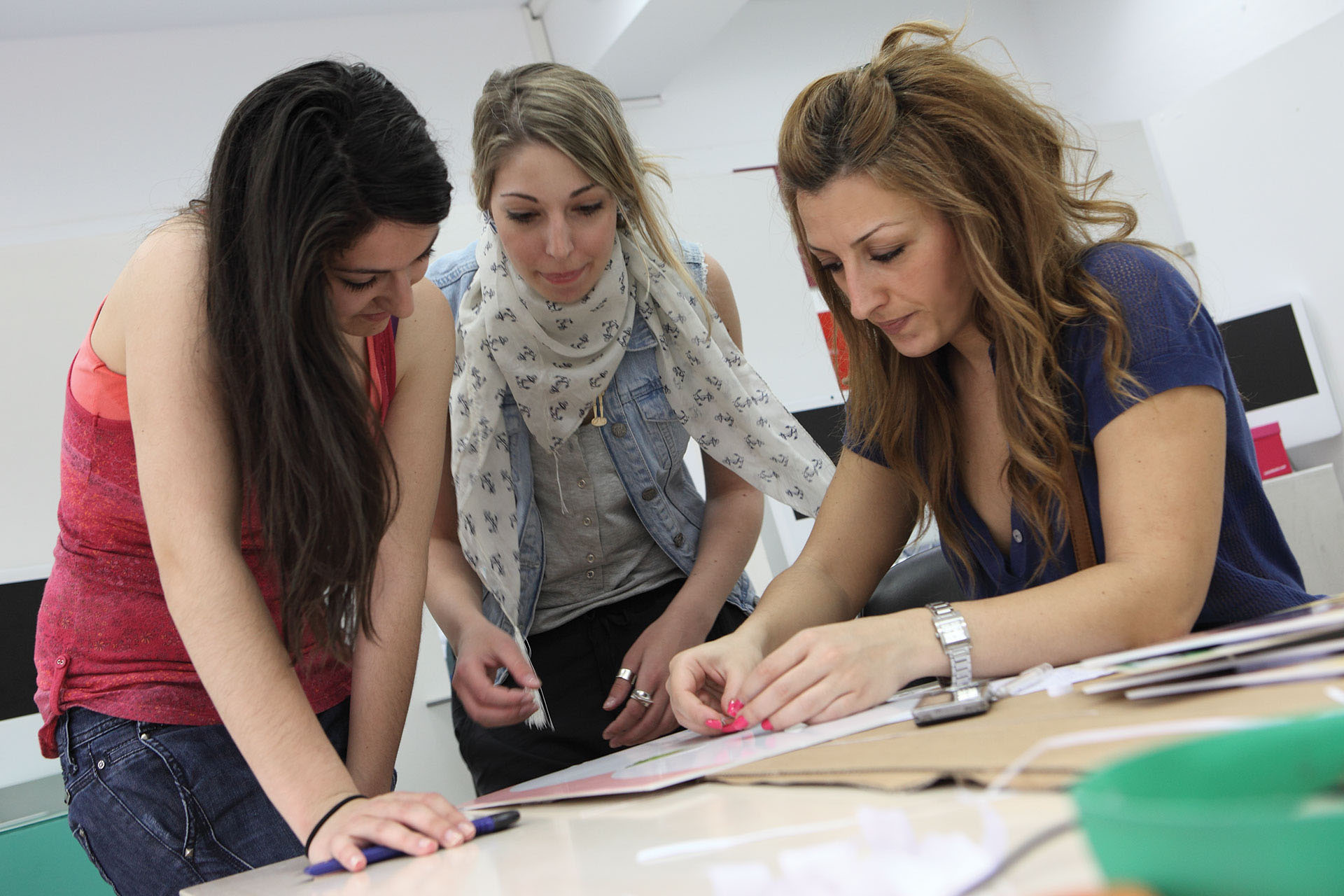
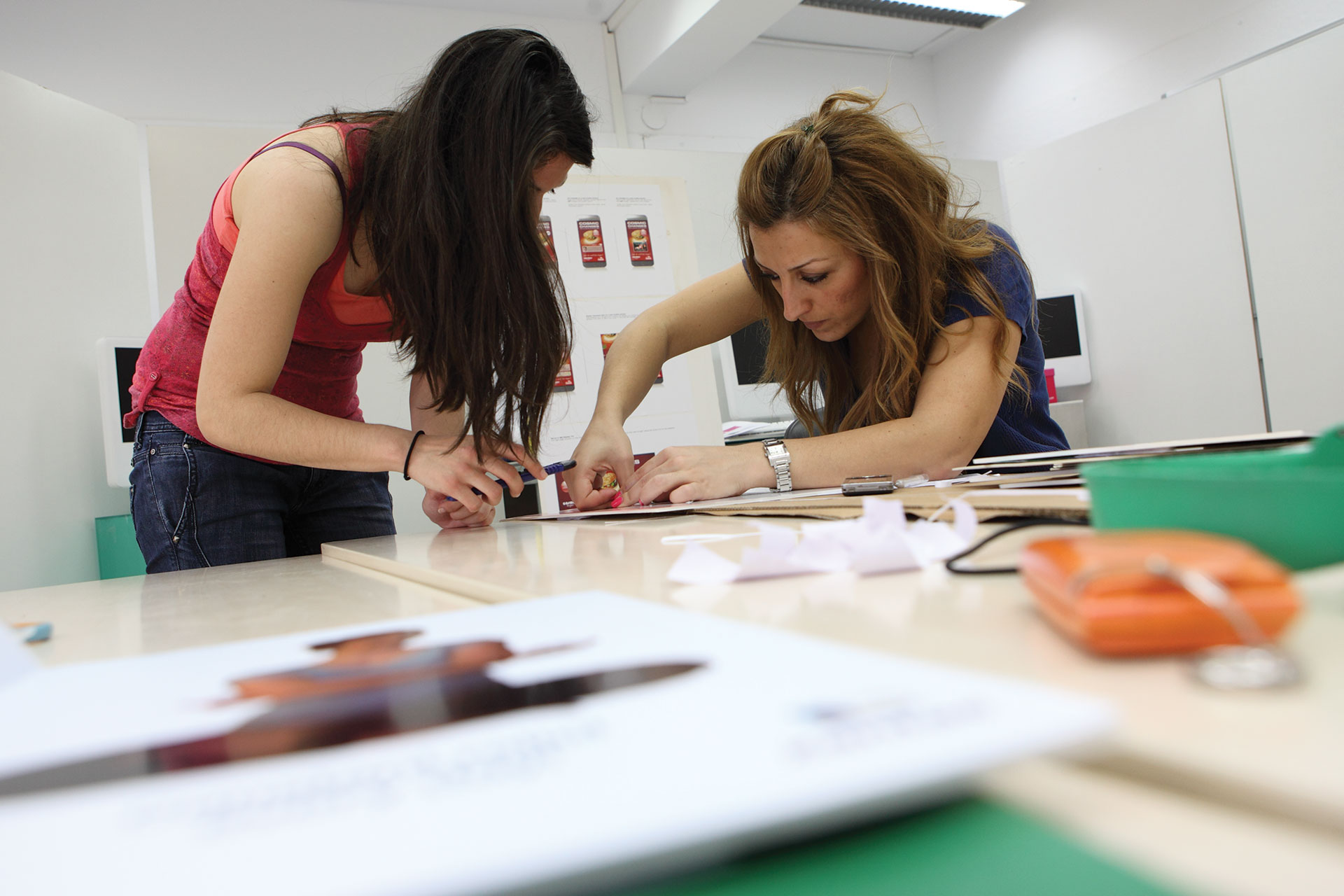
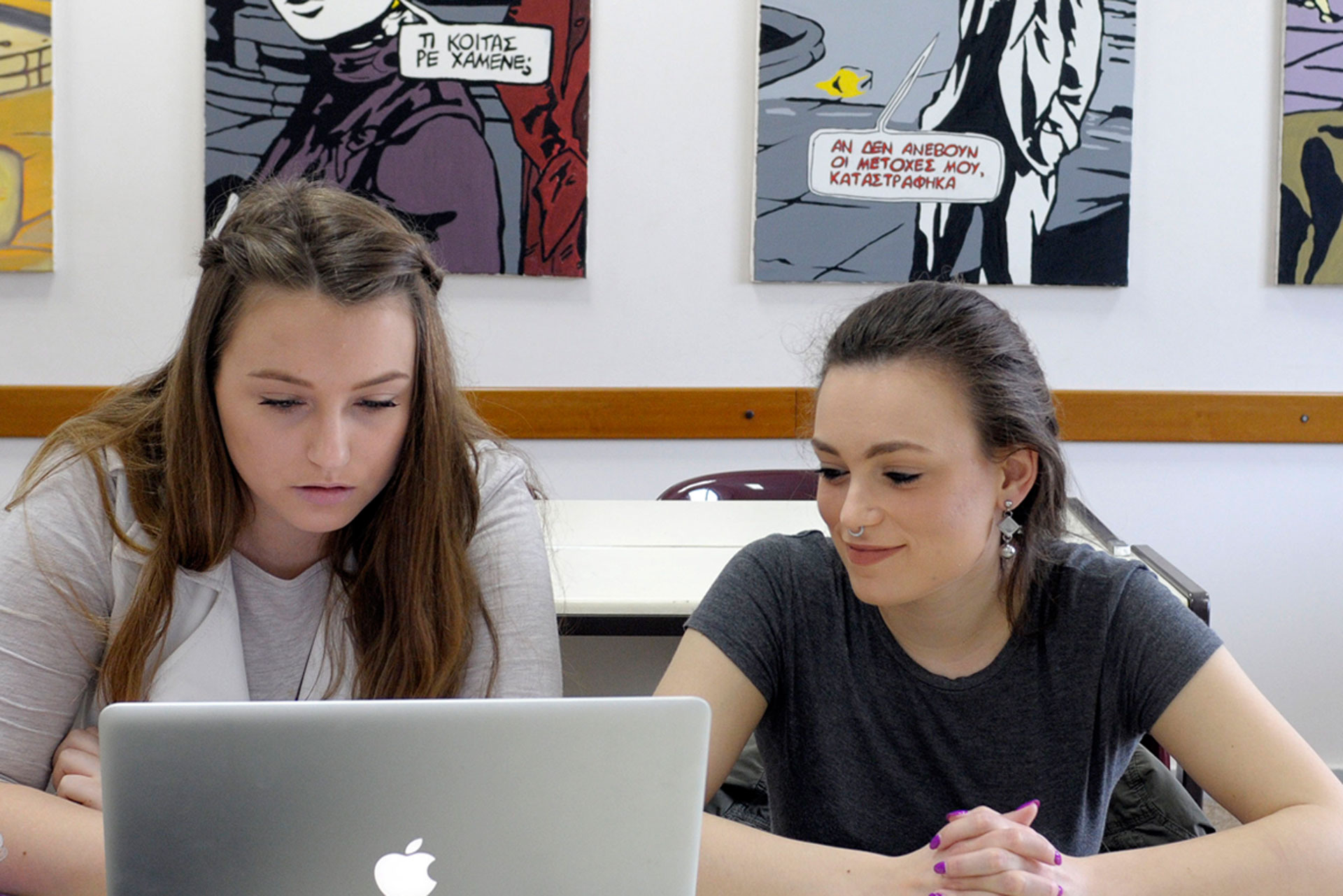
AAS College is set in a modern, purpose – built university campus. Students learn in specially designed lecture rooms and theatre, laboratories, design studios and in flexible teaching spaces. Individual and group study spaces allow students to work alone or collaborate on projects. This course has dedicated graphics studios for workshops, group and independent working. They are equipped with projectors and screens and Macs or PCs or both. There are also campus digital media suites with software including: Adobe Creative Suite.
Overview
The first year of the BSc Communication Management and Public Relations programme introduces students to the core concepts, theories, and professional practices that underpin effective communication in organisational, social, and media contexts. It establishes a strong foundation in communication scholarship while beginning to develop the practical, interpersonal, and professional skills required for careers in public relations and communication management.
Students explore how communication is shaped by social and psychological processes, gaining insight into perception, influence, identity, attitudes, and group behaviour. This understanding supports the study of interpersonal communication, where students learn to apply communication strategies, develop self-awareness, and adapt their communication style across personal and professional settings. Emphasis is placed on the practical application of theory to real-world situations.
The programme also introduces students to the principles of marketing, providing an overview of how organisations understand audiences, communicate value, and operate within competitive environments. This knowledge is complemented by the study of public relations, where students examine how organisations build, manage, and protect relationships with stakeholders through strategic communication, reputation management, and ethical practice.
Through the study of language, media, and society, students develop an understanding of how meaning is constructed and communicated within contemporary media cultures. They analyse the relationship between language, power, ideology, and representation, gaining critical insight into how media influences public opinion and social discourse.
Alongside theoretical study, students are supported in developing professional communication skills essential for employability. They learn to communicate effectively in written, oral, and digital formats, reflect on their personal development, and begin to build confidence, professionalism, and workplace readiness.
By the end of Year 1, students will have developed a broad and integrated understanding of communication theory and practice, strengthened their analytical and interpersonal skills, and established a solid academic and professional foundation for progression into the more applied and strategic study of communication management and public relations in subsequent years.
Overview
In the second year of study, students build upon the theoretical foundations established in Year 1 and develop more advanced analytical, professional, and strategic communication skills. The focus shifts towards applying communication theory in organisational, political, and digital contexts, while strengthening research capability and professional practice in preparation for the final year.
Students are introduced to research methods, developing the ability to design, conduct, and evaluate both qualitative and quantitative research projects. This module equips students with essential analytical and methodological skills that support evidence-based decision-making and prepare them for independent research in the final year of the programme.
Professional communication skills are further developed through professional copywriting, where students learn to produce clear, persuasive, and ethically responsible written content across a range of formats and communication contexts. Emphasis is placed on audience awareness, message framing, and creative problem-solving.
The study of political communication enables students to analyse how communication operates within political institutions, campaigns, media systems, and public discourse. Students examine the relationship between communication, power, persuasion, and public opinion, developing critical insight into contemporary political communication strategies.
Through advanced interpersonal communication, students refine their ability to adapt communication strategies to complex professional environments. The module strengthens self-awareness, behavioural analysis, and reflective practice, enabling effective communication in leadership, negotiation, and sensitive interpersonal situations.
The digital communication module addresses the rapidly evolving role of digital media in organisational and public communication. Students explore online platforms, content strategies, audience engagement, and performance measurement, gaining practical skills in planning, implementing, and evaluating digital communication initiatives.
Finally, communication in groups and teams focuses on collaborative communication processes within organisational settings. Students examine group dynamics, leadership styles, conflict management, and teamwork effectiveness, developing skills essential for professional practice within organisations and public relations environments.
By the end of Year 2, students will have enhanced their research competence, professional communication abilities, and contextual understanding of communication practice. They will be well prepared for advanced strategic study, independent research, and professional application in the final year of the degree.
Overview
In the final year of the programme, students consolidate and extend the knowledge, skills, and professional competencies developed in Years 1 and 2, demonstrating independence, critical judgement, and strategic thinking. The emphasis is on advanced communication practice, professional readiness, and applied research, preparing students for graduate employment or further academic study.
Students engage with organisational communication, examining how communication operates strategically within complex organisational environments. They explore leadership communication, organisational culture, change management, conflict, and crisis communication, developing the ability to evaluate and design communication strategies that support organisational effectiveness and reputation.
The study of professional public relations enables students to examine contemporary PR practice in depth, focusing on strategic planning, stakeholder engagement, ethical decision-making, and reputation management. Students critically evaluate professional standards and practices, gaining insight into how public relations functions within broader communication ecosystems.
Through political lobbying, students analyse the role of communication in influencing policy, decision-making, and public debate. The module explores lobbying practices, advocacy strategies, power relations, and regulatory frameworks, providing a sophisticated understanding of persuasive communication within political and institutional contexts.
The research practice component represents a central element of the final year. Students undertake an independent research project that allows them to apply theoretical knowledge and methodological skills to a topic relevant to communication management and public relations. This process strengthens their ability to design, conduct, analyse, and present research, demonstrating intellectual independence, critical analysis, and academic rigour.
In reading the brand, students critically examine branding from a cultural, symbolic, and communicative perspective. Using semiotic and media analysis, they explore how brands construct meaning, communicate identity, and influence consumer behaviour within social and cultural contexts. This module deepens students’ understanding of branding as a powerful communication process embedded within contemporary media and marketplace dynamics.
By the end of Year 3, students will have demonstrated an advanced and integrated understanding of communication management and public relations. They will graduate as confident, reflective, and ethical communicators, equipped with the strategic insight, research capability, and professional skills required to operate effectively in organisational, political, and public communication roles in a global context.
Assessment is based on coursework and written assessment. You will be continually assessed throughout the course.
Pass mark for course, modules and individual assessments: 40%
The award of BSc Hons Communication, Advertising and Marketing is achieved after completion of 360 credit points.
The Communication Management and Public Relations degree has designed to help prepare you for a career in a variety of contexts, e.g. integrated communications, public relations, public affairs, management and consultancy. Its broad and varied modules are appropriate for careers in the public, private and voluntary sectors, both local and international.
Job roles
This degree opens doors across sectors, including:
Job roles might include:
ENTRY REQUIREMENTS:
Diploma and transcript from your high school
Evidence of your ability in English language
Passport
AAS Application Form completed
Find out what makes AAS a great place to study
Schedule an online meeting to learn more about us and our programmes.
Accepting applications for Fall and Summer terms.
You should apply direct to the AAS College. We accept applications throughout the year, but advise you to apply early. We would like to receive application forms before 30th of June.
All candidates are required to submit the following documents:
1. A Fully Completed Application
AAS Application Form completed
A scanned copy of your passport
2. English language certificate
Certified Photocopy of English Language qualification(s).
Undergraduate applicants must have a fluent command of the English language which can be proven via the following examinations:
IELTS: 6,0 or other equivalent qualifications.
Candidates who have not acquired an English language qualification at the time of the submission of their application form are required to submit it at least one month before the commencement of the course.
3. Diploma of previous education
International Baccalaureate (IB) Diploma or six IB Subject Certificates, or A Levels obtained locally
Certified Photocopy of the Diploma of Secondary Education (High School Diploma 12 years of study), along with the final year’s academic transcript
Candidates who have not yet graduated from high school at the time of application, should submit the available academic transcripts from their current year of study, as well as a full transcript from the previous year of study
If the High School Diploma is produced in another language it should be translated and verified in English
4. Portfolio
You can send us approximately 20 examples of your work with a short written commentary. Most of this work
can be in the form of photographs on a PDF file. It is helpful for us to see examples of your original
drawings too.
The submission of a Design portfolio is mandatory to the Design programmes.
Application’s Submittion:
There is no application fee. You should submit your documents direct to the AAS College website following the link: https://aas.gr/aas-college-apply-now/
Our response:
A member of our staff will contact you in 48 hours.
Accepting applications for Fall and Summer terms.